
Canon Camera Catalogue: Types, Models and Features Explained
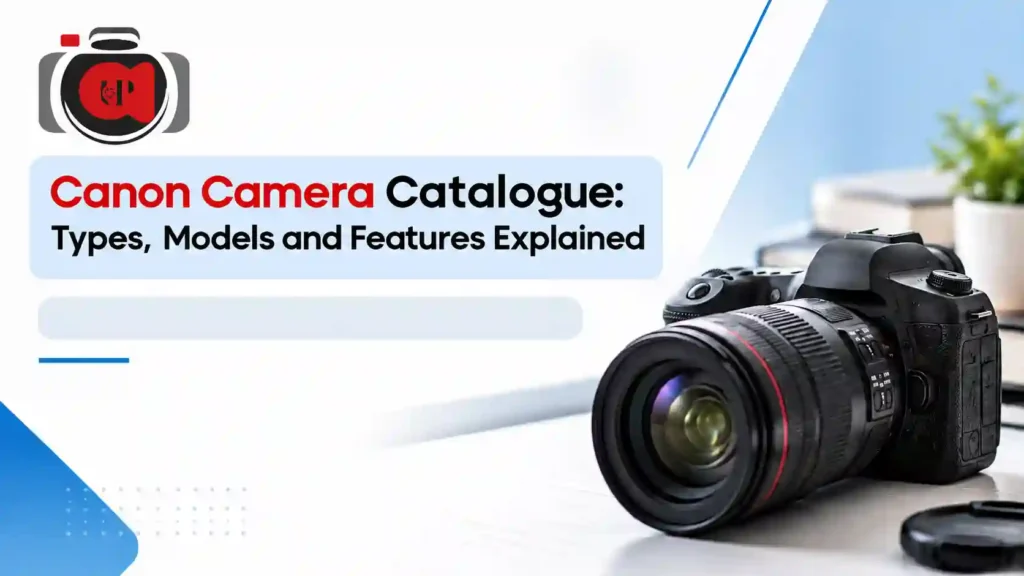
The Canon camera catalogue helps photographers understand the different camera systems available in India, from mirrorless cameras and DSLRs to compact cameras and professional video equipment.
Understanding these categories makes it easier to compare features, lens compatibility and intended uses before choosing a camera.
Explore Camera Buying Guides
Camera catalogues provide product information, but selecting suitable equipment also requires understanding the intended use, compatible accessories and practical limitations. Unique Plus publishes camera-related guides that explain these considerations for different photography requirements.
Readers exploring Canon shops in Kerala can also consult the available camera buying guides to understand camera categories and the factors involved in selecting photography equipment.
↗
Choosing a Camera Retailer
For additional information about choosing a camera retailer, see this guide to Canon shops in Kerala . It provides further context for evaluating camera dealers and understanding what to check when exploring camera equipment.
CAMERA GUIDE / 01—05
Explore five camera categories, their key characteristics and the photography or video production needs they serve.
01
Mirrorless Cameras
Mirrorless cameras use electronic displays or electronic viewfinders rather than the mirror mechanism found in traditional DSLRs. Many modern models offer advanced autofocus, interchangeable lenses, high-resolution photography and video recording capabilities.
The EOS R system uses the RF lens mount and includes APS-C and full-frame camera bodies. APS-C models can be attractive for travel, everyday photography and content creation, while full-frame models offer a larger sensor format that can benefit certain low-light and professional shooting situations.
02
DSLR Cameras
Digital single-lens reflex cameras use a mirror mechanism and typically provide an optical viewfinder. They support interchangeable lenses and have long been used for portraits, wildlife, sports, landscapes and event photography.
These cameras use EF or EF-S lens mounts, depending on the model. Photographers who already own compatible lenses may find this system relevant when considering an upgrade. However, lens compatibility, camera availability and individual requirements should be checked before making a decision.
03
Digital Compact Cameras
Compact cameras generally feature built-in lenses, making them convenient for everyday photography without the need to carry separate lenses. Their smaller, simpler setup can suit travel, family occasions and casual shooting.
Unlike interchangeable-lens systems, compact cameras offer less flexibility when changing focal lengths or expanding a photography setup. Nevertheless, they remain a distinct category for users who prioritise convenience and straightforward operation.
04
Cinema EOS Cameras
Cinema EOS equipment is designed for filmmaking and professional video production. Depending on the model, these systems can provide advanced recording options, professional video controls and compatibility with suitable cinema lenses and accessories.
They are intended for production environments where recording formats, workflow requirements and video-specific features are important considerations.
05
Pro DV Cameras
Professional DV cameras form a separate category within the official catalogue. They are intended for professional video capture and production requirements rather than being positioned solely as everyday photography cameras.
The distinction between Pro DV and Cinema EOS helps users identify equipment according to their production workflow and intended application.
Each category serves a different purpose. Comparing the camera system, features and intended application helps clarify the differences between photography equipment and professional video systems.
Understanding EOS R Cameras and Lens Mounts
EOS R SYSTEM
The EOS R system is the mirrorless camera family built around the RF mount. Its range includes different sensor formats, body designs and feature sets, allowing users to compare models according to their photography and video requirements.
APS-C Sensor
APS-C sensors have a smaller imaging area than full-frame sensors. Their practical benefits depend on lens choice, framing and the intended photography or video work.
Full-Frame Sensor
Full-frame sensors have a larger imaging area. This can benefit certain low-light situations, depending on the camera, lens and shooting conditions.
Understanding Sensor Formats
APS-C and full-frame describe sensor formats, not camera quality rankings. The practical differences depend on factors such as lens choice, framing, low-light performance and the type of work being produced.
RF, RF-S, EF and EF-S Lenses
RF and RF-S lenses are designed for compatible EOS R bodies, with RF-S lenses intended primarily for APS-C models. EF and EF-S lenses belong to the DSLR lens system, although certain EF lenses can be used on compatible EOS R cameras with an appropriate adapter.
Camera body and lens compatibility should always be checked for the specific equipment. Sensor format, lens mount and intended use are useful starting points when comparing camera systems.
How Should You Compare Camera Features?
Before selecting a camera, consider the features that matter most to your work. Comparing these factors helps you narrow down the camera category that fits your photography or video requirements.
What to Check Before Choosing a Camera
-
01
Sensor Format
Compare APS-C and full-frame options according to your photography needs.
-
02
Autofocus
Check subject detection, tracking and focusing performance.
-
03
Video Recording
Review resolution, frame rates, recording formats and audio connectivity.
-
04
Lens Compatibility
Confirm which lenses work with the camera body.
-
05
Handling
Consider weight, controls, viewfinder design and screen movement.
-
06
Connectivity
Check wireless transfer, wired connections and workflow requirements.
For readers researching Canon shops in Kerala, understanding these features can help narrow down the camera category that fits their needs. The same principles apply when comparing entry-level models with equipment designed for advanced photography or filmmaking.
Where Can You Find More Camera Guidance?
Camera catalogues provide product information, but selecting suitable equipment also requires understanding the intended use, compatible accessories and practical limitations. Unique Plus publishes camera-related guides that explain these considerations for different photography requirements.
Explore Camera Buying Guides
Camera Categories and Selection
Readers exploring Canon shops in Kerala can also consult the available camera buying guides to understand camera categories and the factors involved in selecting photography equipment.
For additional information about choosing a camera retailer, see this guide to Canon shops in Kerala.
It provides further context for evaluating camera dealers and understanding what to check when exploring camera equipment.
FAQS
Far far away, behind the word mountains, far from the countries Vokalia and Consonantia, there live the blind texts. Separated they live in Bookmarksgrove right at the coast
Far far away, behind the word mountains, far from the countries Vokalia and Consonantia, there live the blind texts. Separated they live in Bookmarksgrove right at the coast
Far far away, behind the word mountains, far from the countries Vokalia and Consonantia, there live the blind texts. Separated they live in Bookmarksgrove right at the coast
FOLLOW UNIQUE PLUS
Explore More from Unique Plus Enterprises
Discover camera products, photography updates and the latest highlights from Unique Plus Enterprises on Instagram.
Follow Us on Instagram → @uniqueplusenterprises